

Forthcoming Exhibition
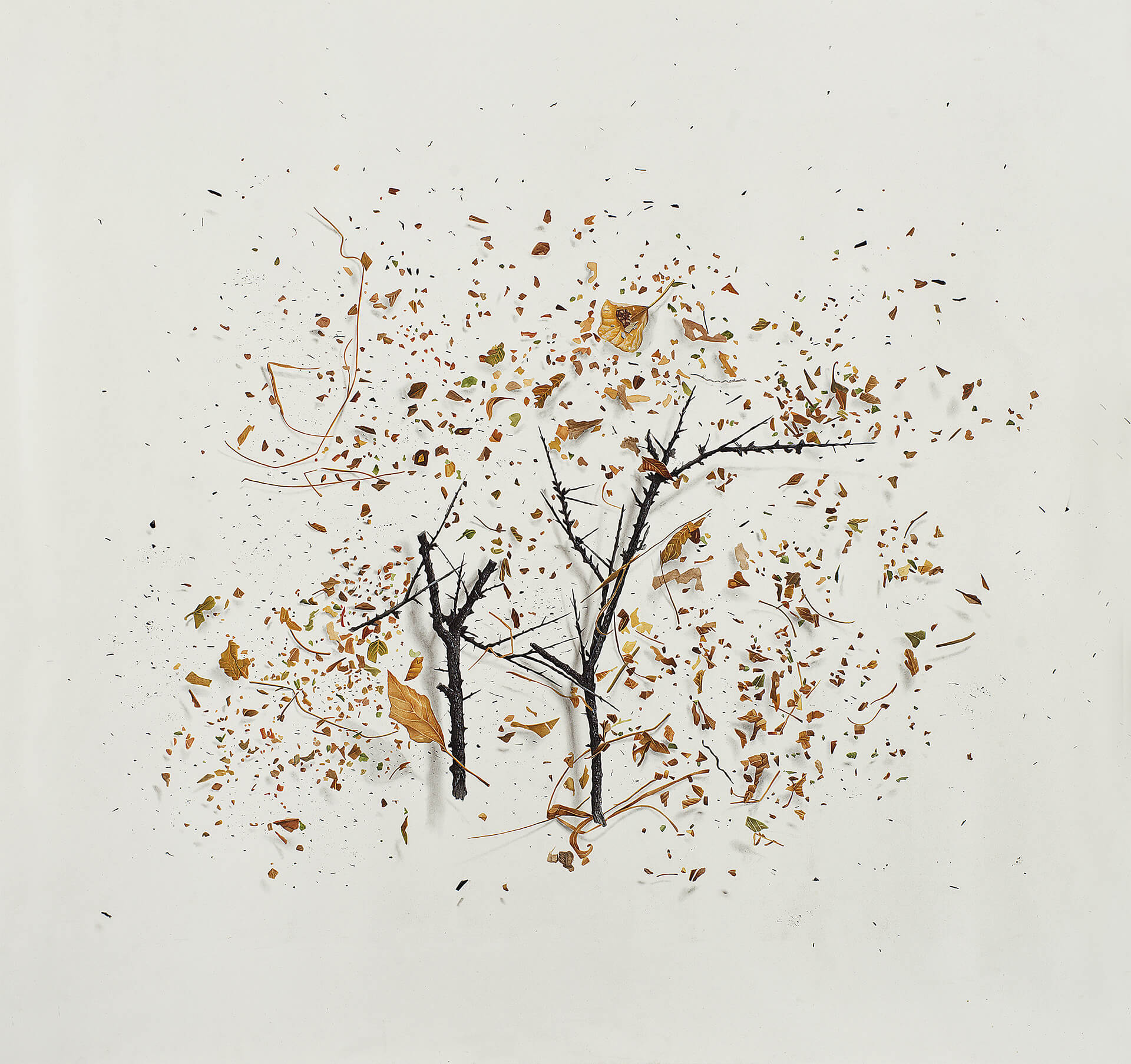
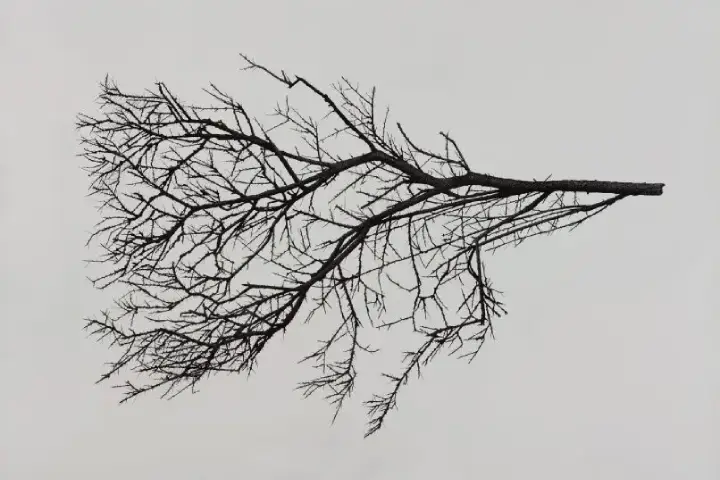
For Karim Ahmed, charcoal is a reminder of both destruction and renewal. Born from fire, it carries the memory of what has been lost, yet in his hands it becomes a means of exploring what might grow in its place. His work reflects a connection to nature and an abiding belief in its ability to recover, even in the face of adversity.
Trained in sculpture, Ahmed has spent the past decade developing a distinctive practice with charcoal, drawn to its texture and expressive possibilities. An important influence on his artistic journey has been Imran Qureshi, whom he assisted and who encouraged him to allow his practice to evolve gradually, without haste. This measured approach has allowed Ahmed to develop his own visual language, one that brings together technical precision and a deeply personal engagement with the natural world.
A profound shift in his life came during the Covid pandemic, when a fall left him with a fractured femur and a life-threatening pulmonary embolism. After spending a week in intensive care, Ahmed began to reconsider his priorities. He resigned from his teaching position and returned to his village, to devote himself entirely to his art. During his recovery, he followed news of the devastating Australian bushfires. The sight of forests reduced to ash reminded him of his own charcoal drawings. But when rain arrived and fresh leaves began to emerge from the burnt ground, he saw something more than the recovery of a forest. He recognised a reflection of his own experience: that even after moments of profound loss, life can offer another beginning. Since then, the image of new growth emerging from scorched earth has become a recurring presence in his work.
For Ahmed, this idea of renewal is inseparable from the landscape he calls home. He hails from a place of extraordinary beauty, but also one increasingly threatened by climate change. The melting glaciers near his village are a visible reminder that environmental destruction is no longer a distant concern. It is unfolding around him, affecting the landscape, its people and their future.
The works in this exhibition reflect these anxieties, exploring the devastation caused by war and climate change while returning, time and again, to nature’s remarkable capacity to endure. Ahmed does not romanticise destruction. Instead, he asks us to look beyond it, to recognise that recovery is possible, but never guaranteed. His commitment to the environment extends beyond his paintings. In his village, he has worked with the local community to replace concrete houses with traditional mud-plastered dwellings, sustainable and naturally suited to the region’s climate. Through this initiative, approximately half of the village’s homes have been transformed. It is a practical expression of the same convictions that inform his art: that caring for nature requires more than words; it demands action.
There is consistency between Ahmed’s work on paper and his work within the village — both are concerned with what can be rebuilt, what can be preserved and what might still be saved. His art emerges from personal experience, but its concerns are universal. In the face of conflict and environmental uncertainty, he invites us to find inspiration in nature’s resilience and to reconsider our own responsibility towards it. For Ahmed, the lesson of the burnt forest is simple but profound. Life can return, even after devastation. Yet renewal requires patience, care and the willingness to begin again. His work reminds us that hope is not merely something to be imagined; it is something we must nurture, both in the world around us and in the choices we make.
Artists |



Welcome to Pristine ContemporaryPristine Contemporary is a contemporary art gallery based in New Delhi. The first show was scheduled for March 2024. The Gallery represents contemporary artists from the South Asian sub-continent and artists of the Indian diaspora globally. Pristine currently represents 5 artists exclusively in India. The gallery's ethos is to introduce high-quality contemporary art that has never been shown before in India. |
Press |
Akshita Nahar Jain
What the Earth Remembers | November, framed: Art exhibitions to bookmark this month
30th October 2026
Noor Anand Chawla
Drawing Room: Salony Garg on Feroza Hakeem’s modern miniatures
2nd October 2026
Shop |
Nature Shankar
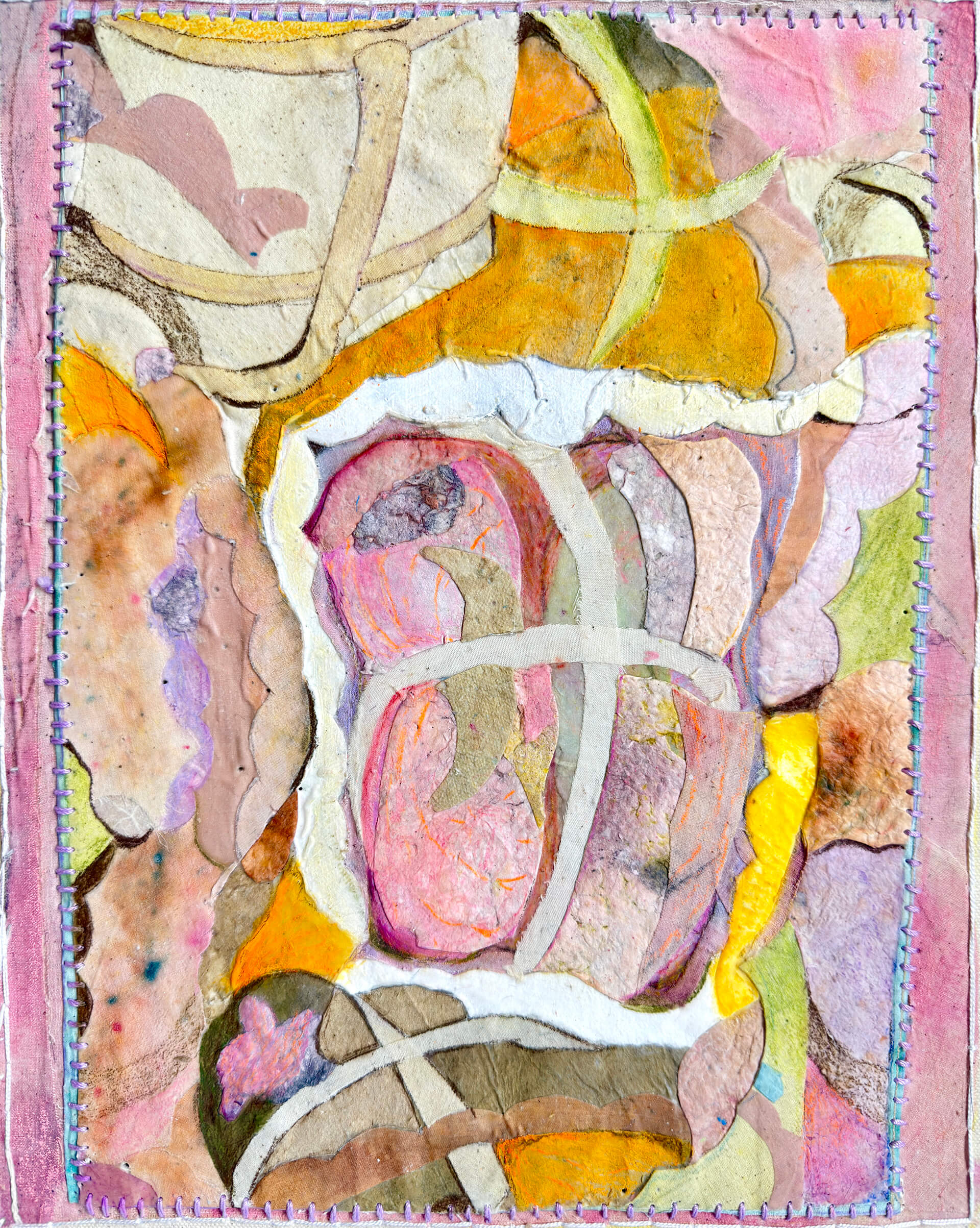
Paper pulp, calico, voile, sari, assorted papers, cotton thread, polyester thread, dye, colour pencil, water colour, acrylic, chinese ink in/on canvas and calico
|
Newsletter Be the first to know about our events, exhibitions, artists and much more. |